

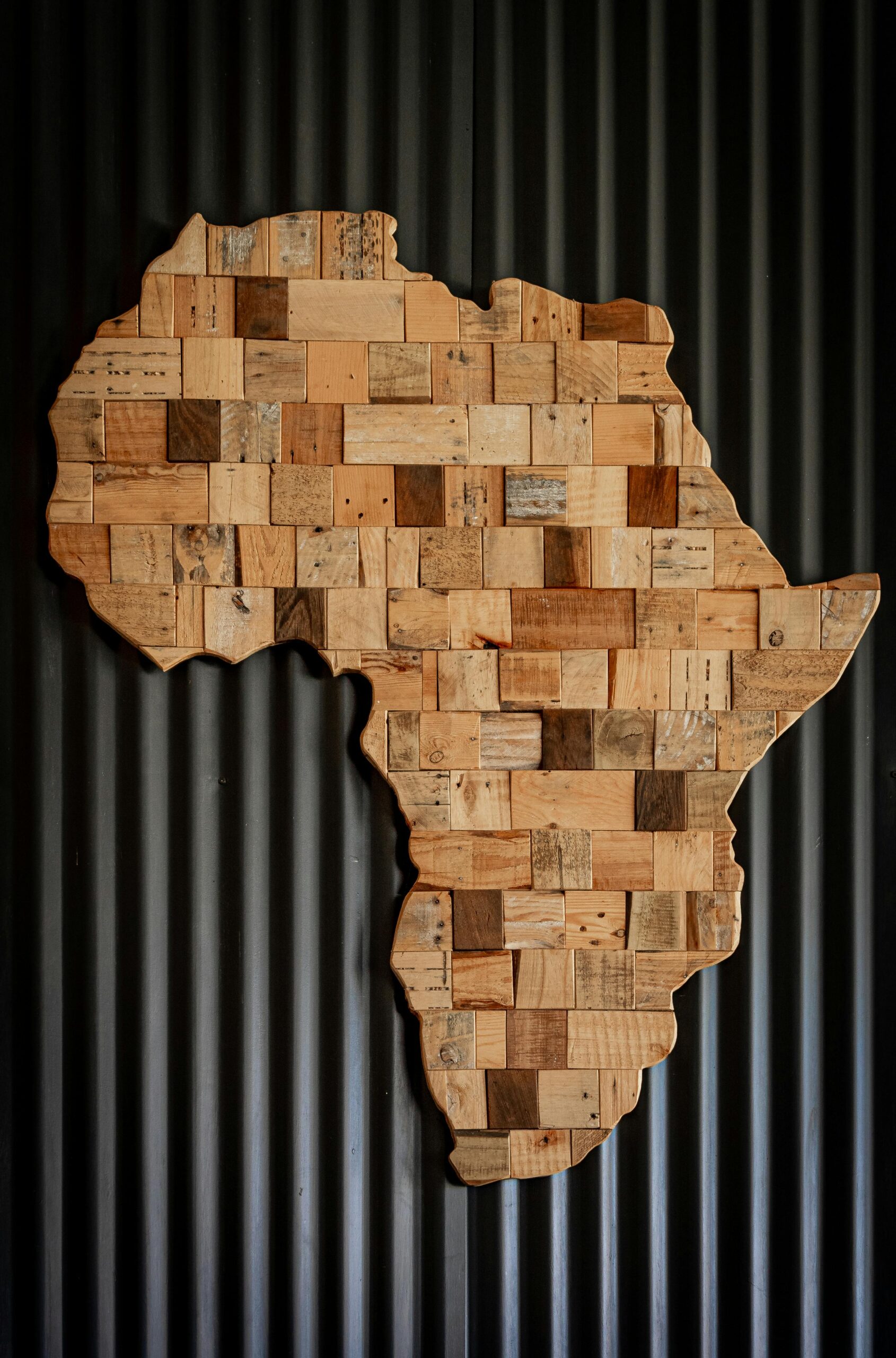
The Enduring History of the African People
Introduction
Africa, the world’s second largest and second-most-populous continent, is often celebrated for its rich cultures, traditions, and innovations. Less discussed, however, is the depth and breadth of African history—an epic saga of civilizations, empires, trade, resilience, and transformation. In this article, we delve into the multifaceted history of African people, highlighting influential epochs, ancient societies, and cultural milestones that continue to shape the global narrative.
Africa: The Birthplace of Humanity
Early Human Fossils and Sites
Africa is widely recognized as the cradle of humankind. Some of the most significant fossil finds in paleoanthropology have emerged from the Great Rift Valley in East Africa. Fossils of early hominins like Australopithecus afarensis (including the famous skeleton “Lucy”) and Homo habilis have offered a glimpse into humanity’s earliest ancestors.
Evolutionary Significance
The importance of Africa in human evolution cannot be overstated. Sites such as Olduvai Gorge in Tanzania and Hadar in Ethiopia are central to understanding how early humans developed tools, used fire, and began communal living. These developments set the stage for societal advancement across the continent.
Ancient African Civilizations
Ancient Egypt
Located in North Africa, Ancient Egypt remains one of the most studied civilizations in world history. Flourishing along the Nile River, Egypt contributed significantly to writing, mathematics, medicine, architecture, and religion. The construction of the pyramids and the development of hieroglyphics are hallmarks of this society.
Nubia and the Kingdom of Kush
South of Egypt, the Nubian region was home to powerful states such as Kerma and later the Kingdom of Kush. These civilizations interacted with and sometimes ruled over Egypt. The Kushite dynasty, known as Egypt’s 25th Dynasty, saw Nubian kings ruling as Pharaohs.
Carthage and the Berber Kingdoms
In present-day Tunisia, the ancient city-state of Carthage was a major trading hub and naval power before its destruction by Rome. The Berbers, indigenous to North Africa, established powerful kingdoms like Numidia and Mauretania that influenced Mediterranean and sub-Saharan trade
The Kingdom of Aksum
Located in what is now Ethiopia and Eritrea, Aksum was an influential empire that controlled trade routes across the Red Sea. Aksum adopted Christianity early in the 4th century and maintained complex diplomatic relations with Rome and Byzantium.
West African Empires
Ghana Empire
The Ghana Empire (not to be confused with modern-day Ghana) existed between the 6th and 13th centuries in present-day southeastern Mauritania and western Mali. It was wealthy due to its control over gold and salt trade routes.
Mali Empire
One of the most famous African empires, Mali reached its zenith in the 14th century under Mansa Musa. Musa’s pilgrimage to Mecca demonstrated the empire’s immense wealth and sophistication. Cities like Timbuktu and Djenné became centers of Islamic learning.
Songhai Empire
The Songhai Empire succeeded Mali and became the largest in West Africa during the 15th and 16th centuries. Under rulers like Sonni Ali and Askia Muhammad, Songhai expanded militarily and solidified Islamic governance and educational systems.
Central and Southern African Kingdoms
Kingdom of Kongo
Established in the 14th century, the Kingdom of Kongo covered parts of modern-day Angola and the Democratic Republic of Congo. Kongo had a centralized government and adopted Christianity in the 15th century after contact with Portuguese explorers.
Great Zimbabwe
Great Zimbabwe was the capital of a powerful kingdom between the 11th and 15th centuries. Its impressive stone architecture, built without mortar, stands as a testament to the region’s wealth and engineering capabilities.
Zulu Kingdom
Founded by Shaka Zulu in the early 19th century, the Zulu Kingdom revolutionized military tactics in Southern Africa. Despite eventual defeat by British forces, the kingdom left a lasting legacy on regional politics and identity.
East African Trade and Culture
Swahili Coast and Maritime Trade
Stretching from Somalia to Mozambique, the Swahili Coast was a cultural melting pot of Bantu, Arab, Persian, and Indian influences. Swahili city-states like Kilwa, Mombasa, and Zanzibar thrived through Indian Ocean trade, dealing in gold, ivory, and spices.
The Role of Islam
Islam began to spread in East Africa as early as the 8th century through trade. Swahili culture, including its language, religion, and architecture, reflects deep Islamic influences.
The Horn of Africa
Ethiopia and Eritrea’s long-standing Christian traditions date back to the 1st century CE. The Ethiopian Orthodox Church remains one of the oldest organized Christian bodies. Monasteries, rock-hewn churches, and ancient manuscripts preserve this legacy.
The Trans-Saharan and Trans-Indian Ocean Trade Networks
Gold and Salt Economy
West Africa’s gold fueled vast trade networks that crossed the Sahara Desert. Caravans transported salt from the north and returned with gold, slaves, and ivory.
Caravan Cities
Timbuktu, Gao, and Agadez became crucial urban centers along these trade routes, promoting the exchange of goods, religion, and knowledge.
Indian Ocean Trade
The monsoon winds enabled trade between East Africa, Arabia, India, and Southeast Asia. Items such as textiles, porcelain, and spices were exchanged for African commodities.
European Contact and the Atlantic Slave Trade
Initial Encounters
European exploration began in earnest in the 15th century. The Portuguese were the first to sail along Africa’s Atlantic coast, initiating new trade relationships and missionary activities.
The Transatlantic Slave Trade
Between the 15th and 19th centuries, millions of Africans were forcibly taken across the Atlantic to work on plantations in the Americas. This trade devastated African societies and disrupted economic and political systems.
African Resistance and Adaptation
While some African kingdoms participated in the slave trade, others resisted it. Leaders like Queen Nzinga of Ndongo and Kongo fought against European encroachment and slave raiding.
The Colonial Scramble and African Partition
The Berlin Conference (1884–1885)
European powers convened in Berlin to divide Africa among themselves without consulting any African leaders. This event marked the beginning of formal colonialism across the continent.
Colonization and Control
Africa was divided into British, French, German, Belgian, Portuguese, and Italian territories. Colonial rule introduced new infrastructures but also exploited natural resources and repressed local cultures.
Resistance Movements
Anti-colonial resistance emerged across the continent. Notable figures include Samori Touré in West Africa, the Mau Mau in Kenya, and King Behanzin in Dahomey. These resistances laid the groundwork for future independence movements.
Independence and Modern Nationhood
The Wave of Independence
From 1957 (when Ghana gained independence) to the late 1970s, most African nations achieved sovereignty. Independence was won through both negotiation and armed struggle.
Pan-Africanism and Solidarity
Pan-Africanism, championed by leaders like Kwame Nkrumah and Julius Nyerere, sought unity among African nations and people of African descent worldwide. Institutions like the African Union trace their origins to this movement
Challenges and Rebuilding
Post-independence Africa faced numerous challenges: economic dependency, ethnic divisions, and military coups. However, nations also worked to reclaim cultural identities and reform governance structures.
Cultural Resilience and Global Influence
Languages and Literature
Africa is home to over 2,000 languages. Oral traditions, proverbs, epics, and songs have preserved history and values. Contemporary African authors like Chinua Achebe, Wole Soyinka, and Chimamanda Ngozi Adichie continue this legacy.
Music and Dance
From Afrobeat to traditional drumming, African music has inspired global genres like jazz, reggae, hip-hop, and samba. Dance remains integral to social ceremonies and spiritual practices.
African Spirituality and Religion
Traditional African religions emphasize ancestor veneration, nature, and communal values. Despite the spread of Islam and Christianity, many African societies maintain spiritual practices that integrate indigenous beliefs.
Fashion and Art
African textiles like kente, ankara, and mud cloth have found global appeal. Contemporary artists, designers, and photographers are reshaping how African identity is perceived worldwide.
African Diaspora
The Legacy of Slavery
The African diaspora in the Americas, Europe, and the Caribbean continues to influence global culture. African traditions persist in languages, cuisine, music, and religion across the Atlantic world.
Reconnection and Repatriation
Countries like Ghana have initiated programs like the “Year of Return” to welcome descendants of enslaved Africans back to the continent. These efforts aim to rebuild cultural and emotional ties.
Intellectual and Political Impact
Members of the African diaspora have contributed significantly to global intellectual and political movements—from civil rights to decolonization to Pan-African advocacy. Their work bridges continents and unites African heritage.